Read the landscape through its wine
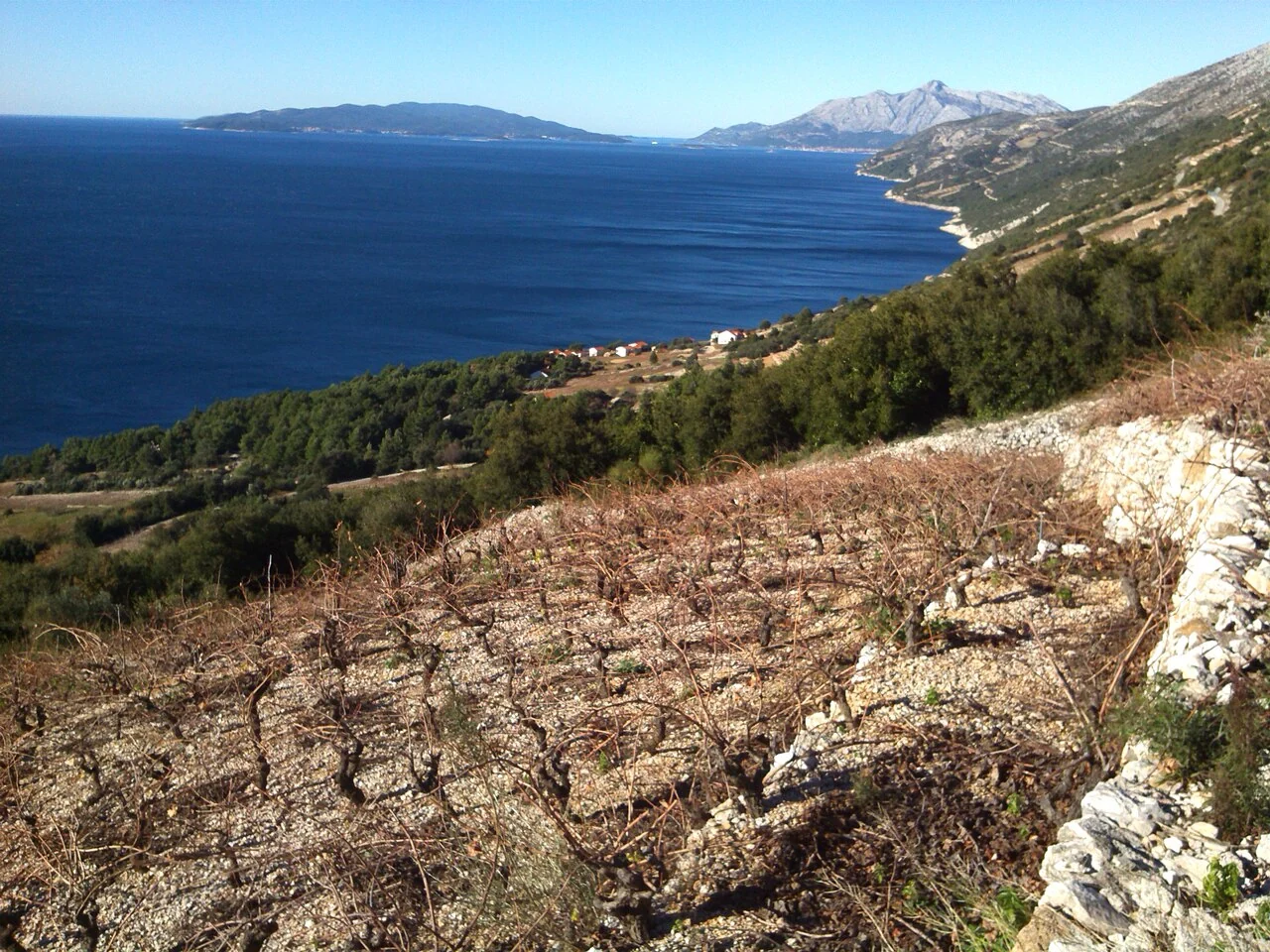
Pelješac introduces itself through the relationship between vineyards and sea. Around Potomje, wine production is central to local life, while the slopes of Dingač open towards the coast. Give the landscape a full part in your visit.
Arrange a cellar appointment and ask about Plavac Mali, the grape closely associated with the peninsula's red wines. A focused tasting and a conversation with the producer can make the surrounding vineyards easier to understand when you see them afterwards.
Make time for Ston
Ston and Mali Ston bring another food tradition into the journey. Shellfish from the area are part of Pelješac's culinary identity, making a carefully chosen meal a worthwhile stop on the way into or out of the peninsula.
Reserve with the restaurant and ask what is being served during your visit. Allow time to explore the setting around the meal, with any heritage attraction planned around its actual opening hours. The day should feel complete without several competing appointments.
Build a generous wine-country stay
September is our editorial preference for an early-autumn coast-and-vineyard trip; October is appealing for a more cellar-led visit. Harvest timing varies between producers and years, so participation should only be included once the winery confirms it.
Two or three nights allow a balanced mix of wine, village life and time beside the water. Pelješac also pairs naturally with Dubrovnik for a four-day journey. Arrange transport for tasting days and leave a little space for the place to surprise you.
Give yourself time for…
- Dingač's vineyard landscape
- A reserved Plavac Mali tasting
- Ston and Mali Ston food traditions
Plan it thoughtfully
Book wineries and restaurants directly, especially later in the season. Use a designated driver or arranged transfer for tastings, and treat harvest participation as a separately confirmed experience.